Internet Exchange Points (IXPs) are a critical piece of the internet's infrastructure - yet many people, even in the networking industry, don't fully understand what they are and why they matter. If you've heard the term "internet exchange" and wondered what the fuss is about, this article explains it clearly.
The basic problem IXPs solve
To understand IXPs, it helps to understand the problem they solve. The internet is not a single network - it's a collection of thousands of independent networks (called Autonomous Systems, or ASes) that agree to exchange traffic with each other. For these networks to communicate, there must be some mechanism for exchanging traffic.
In the early internet, traffic exchange happened primarily through paid transit - network A pays network B to carry its traffic to the rest of the internet. This model works but creates inefficiencies when two networks have significant traffic flows between them. If networks A and B are both paying transit provider C to carry traffic between them, that transit payment is essentially unnecessary - A and B could exchange traffic directly and save money.
That's where IXPs come in.
What an IXP actually is
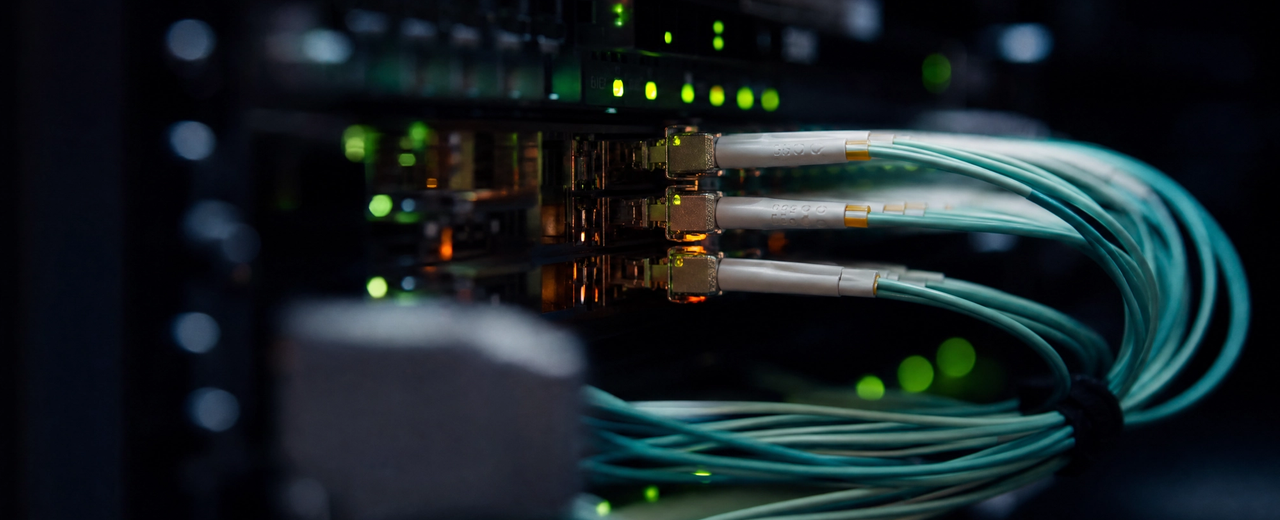
At its most basic, an IXP is a physical facility where multiple networks connect to a shared switching infrastructure. The "fabric" of the IXP - a high-speed switch or switching platform - sits in a data center. Each network that wants to participate connects a router to this switch and pays a port fee.
Once connected, any IXP participant can establish a BGP (Border Gateway Protocol) peering session with any other participant and begin exchanging traffic directly. The traffic flows directly between the two networks' routers without passing through any intermediate networks.
The scale of IXPs
Modern IXPs range enormously in scale. The largest exchanges in Europe and North America handle multiple terabits of traffic per second and have hundreds or thousands of connected networks. Smaller regional IXPs may handle a few gigabits per second and have dozens of participants.
Why IXPs exist and who benefits
IXPs benefit virtually everyone in the internet ecosystem:
ISPs benefit by reducing transit costs and improving performance to major content sources.
Content providers benefit by reaching ISP networks more directly, improving delivery performance and reducing their own transit costs.
End users benefit through lower latency, better reliability, and (indirectly) lower service costs.
The internet as a whole benefits through improved efficiency and resilience - traffic takes shorter paths, and the system is less dependent on a small number of transit providers.
Accessing IXP benefits as a smaller network
Historically, participating in an IXP required physical presence at the exchange location - colocation fees, cross-connects, and dedicated router hardware. This created a barrier for smaller ISPs, particularly those in rural areas.
Today, remote peering services make IXP participation accessible to networks of any size. Capcon Networks' Connect-IX product enables rural ISPs to access internet exchange peering through Capcon's infrastructure, without the need for physical colocation at the exchange facility.